
Recognised in 1965, Out in the Field From 1976: How the Celestial Church Grew Beyond Porto-Novo
Most of us know the Celestial Church of Christ began in Porto-Novo in 1947. Fewer of us stop to ask how a young movement went from a prophet's vision to a church the state itself recognised, and then to parishes on other continents.
Wikipedia's overview of the church gives two markers worth pausing on. In 1965, the Republic of Dahomey (today's Benin) recognised and authorised the Celestial Church of Christ. Then, from 1976, the church launched an evangelistic campaign across that same country, which had won its independence from France in 1960.
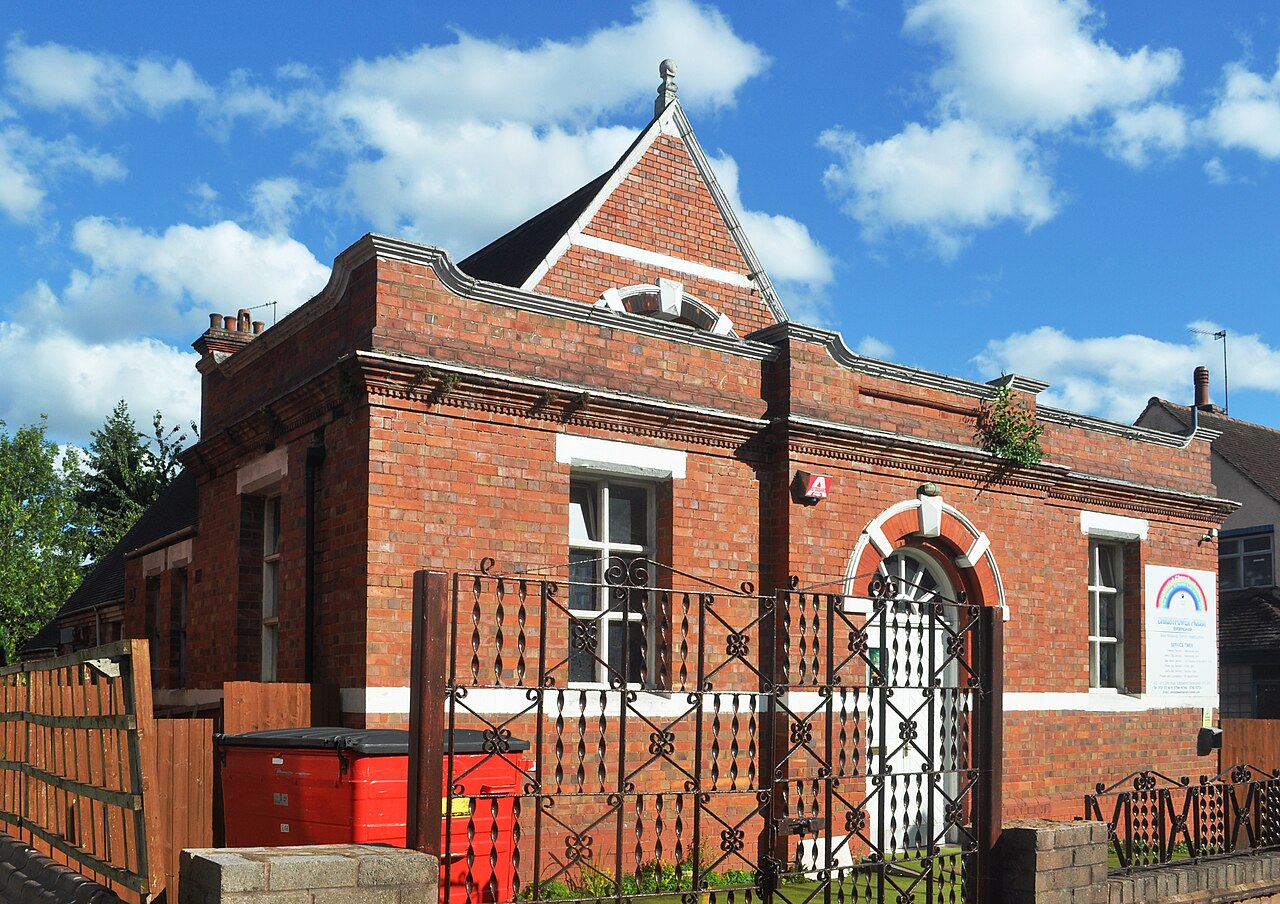
Think about what that meant. Barely eighteen years after the first service, the fold had legal standing. Eleven years later it was actively reaching out. The same overview notes that by the late 1990s members were using the internet to keep parishes in the UK, Germany, Austria, France and the United States in touch with each other and with Nigeria, where the church is most popular today. The picture with this post shows one such parish, in Edgbaston, Birmingham.
Recognition and outreach are not the whole story of a church, of course. The heart of it is people who pray, sing and keep the white garment. But the road from one Porto-Novo congregation to a global fold is part of our shared heritage.
Over to you:
- Does your parish have a story of how it was planted, and who first opened its doors?
- What would you tell a young Celestian today about the early years of the church?
Sources: Wikipedia, "Celestial Church of Christ" (history section).
Photo: Celestial Church of Christ Christpower Parish, Edgbaston, Birmingham, by Hassocks5489, Wikimedia Commons (CC0).
4
•
0
•
0
0 likes
Comments
(0)
No comments yet.

Members Online:
0 Members online in last 5 minutes
5 Guests online in last 5 minutes