
Among the Praying People: Where the Celestial Church Sits in the Aladura Family
The word Aladura is Yoruba for "praying people", and it names a wave of prophet-healing churches that grew among the Yoruba of south-western Nigeria from about 1918. Celestians are part of that family, and knowing the neighbours helps us understand our own house.
According to Wikipedia's overview of the movement, the largest Aladura body is the Christ Apostolic Church, which grew after the healing revival led by Joseph Babalola from 1930. Another branch is the Cherubim and Seraphim societies, which separated from the Anglican Church in 1928 and stress revelation and healing. A third is the Church of the Lord (Aladura), founded in 1930 by Josiah Oshitelu.
The Celestial Church of Christ came later. It was founded by Samuel Oshoffa on 29 September 1947 in Porto-Novo, in modern Benin, and has since travelled with the African diaspora to Europe, the United Kingdom and the United States. Like its Aladura cousins it is a prophetic church that gives a big place to prayer, while holding its own marks: the white garment, worship without shoes, and the name drawn from a vision and Deuteronomy 26:15.
Over to you:
- What first drew you or your family to the prayer-centred, prophetic style of worship?
- Which parts of Celestial life do you think are most distinct from the other Aladura churches?
Sources: en.wikipedia.org (Aladura; Celestial Church of Christ).
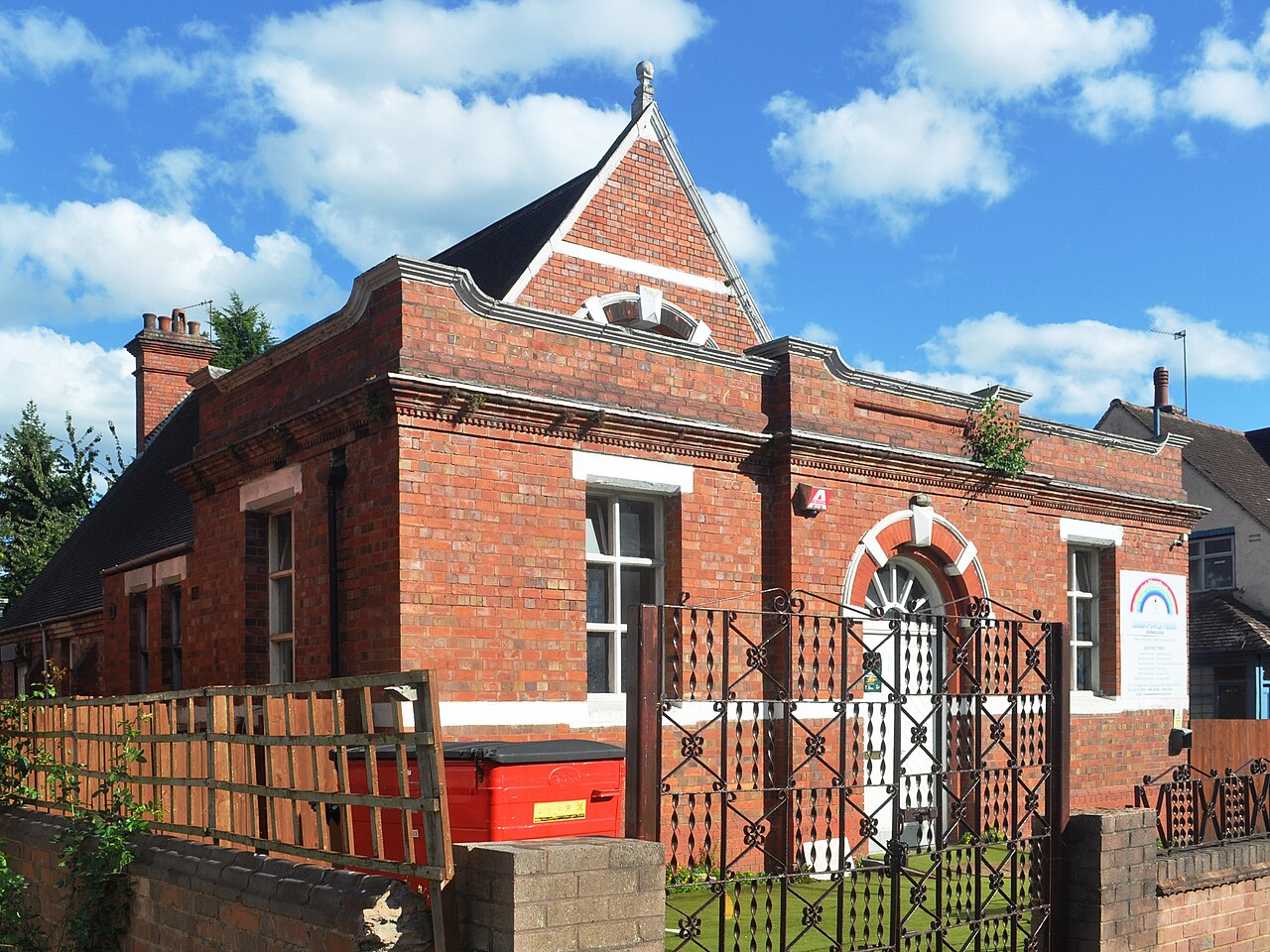
Photo: Celestial Church of Christ Christpower Parish, Edgbaston, Birmingham, Wikimedia Commons (Hassocks5489).
2
•
0
•
0
0 likes
Comments
(0)
No comments yet.

Members Online:
0 Members online in last 5 minutes
63 Guests online in last 5 minutes