
Recognised in 1965, Preaching From 1976: How the Celestial Church Found Its Footing in Dahomey
Eighteen years after a carpenter's son named Samuel Oshoffa founded a church in Porto-Novo, the young fellowship received something every growing community needs: official recognition. In 1965, the Republic of Dahomey (today's Benin) recognised and authorised the Celestial Church of Christ. The country itself had only gained independence from French colonial rule in 1960, so the church and the new nation were finding their feet in the same years.
Recognition mattered. It gave the church a lawful footing to gather, build and worship in the open. And from 1976, the church launched an evangelistic campaign across Dahomey, carrying the message to towns and villages well beyond where it began.
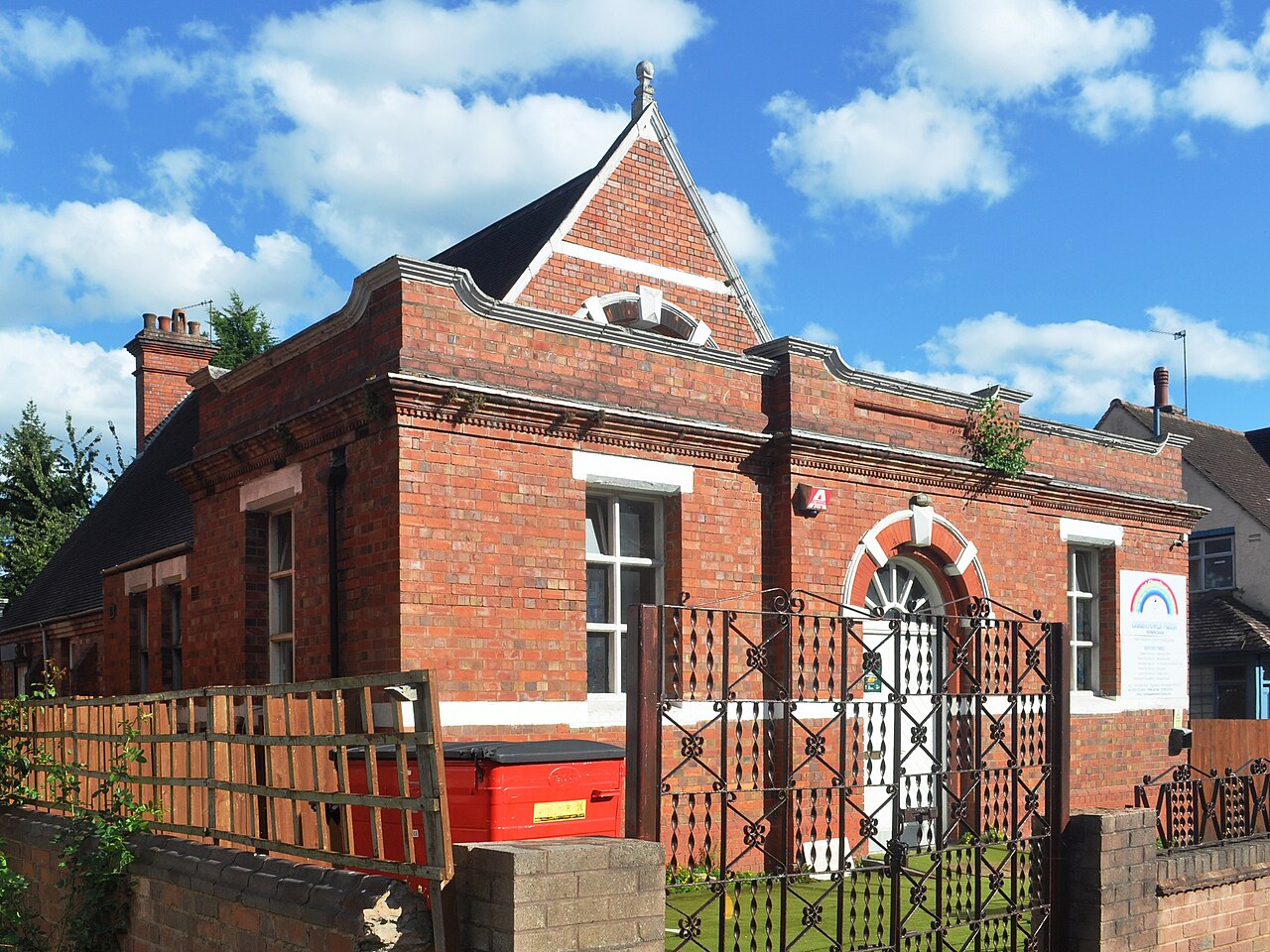
From those roots the story travelled. Today there are Celestian congregations across Nigeria and Benin, and across Europe, the United Kingdom and the United States, many of them meeting in ordinary neighbourhood buildings like the brick parish hall in Edgbaston, Birmingham, pictured here. A fellowship that started in a single town now has doors open on several continents.
It is a reminder that every great work begins small, and that growth is often built on patient steps: a founding, a recognition, a campaign, a parish at a time.
Over to you:
- Do you know when and how the parish you attend first started? Tell us its story.
- What do you think carries a church from a single town to several continents?
Sources: Wikipedia, "Celestial Church of Christ" (History section).
Photo: Celestial Church of Christ, Christpower Parish, Edgbaston, Birmingham, Wikimedia Commons, by User:Hassocks5489, CC0.
4
•
0
•
0
0 likes
Comments
(0)
No comments yet.

Members Online:
0 Members online in last 5 minutes
13 Guests online in last 5 minutes