

The Police Officer Who Chose to Listen: A Little-Told Moment From Porto-Novo, 1947
Some of the most important people in a story appear only for a moment. Celeland community readers may enjoy a small, little-told episode from the weeks after the vision of 29 September 1947 in Porto-Novo.
According to a heritage article by CCC Worldwide Community, drawing on Papa Oshoffa's own history of the Church given at Makoko on 18 January 1969 (recorded in the Constitution of the Nigeria Diocese), the news spreading from his house had drawn about two hundred people: Muslims, Catholics, Methodists and followers of traditional religion. Some were curious, some were hostile, and for thirteen days he could not sleep.
Worn out, he sent word through Dominic Adande to the expatriate police officer in charge of the town, asking for policemen to drive the crowd away.
The officer, whose name was never recorded, refused. He said he had no right to send officers to chase people out of a house. His own father was a Christian, and he suspected God might have a purpose for Oshoffa. His advice was the opposite of what was asked: hold an open-air meeting the following Saturday, invite people with notices, and let them come.
Papa Oshoffa admitted he was "thoroughly fed up" with that reply. But those around him agreed, notices were written and carried across the town, and the meeting went ahead. By his own account, that day marked the beginning of the Church and its growth.
A few things worth noting:
- The officer listened before he acted.
- He declined to use his position to scatter people.
- The source does not say he was a member, and we should not claim it.
Over to you: Has someone outside the church ever given you advice that opened a door you did not expect? And what do you think leaders today can learn from a man who chose to listen?
Sources: CCC Worldwide Community (ccc-worldwide.org), "The Officer Who Chose to Listen", 4 November 2026, citing the Constitution of the Celestial Church of Christ (Nigeria Diocese, 1980), paragraphs 27-31.
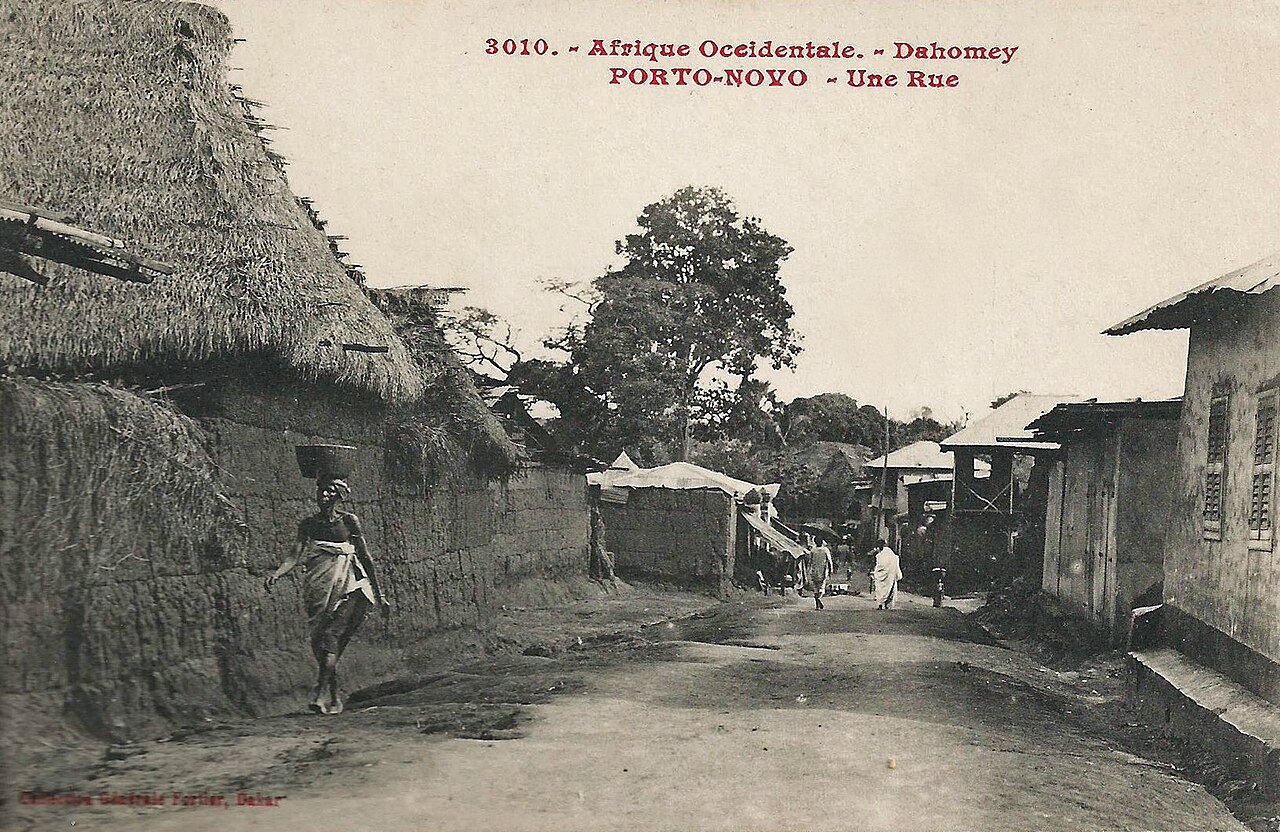
Photo: "Porto-Novo - Une rue", postcard by Fortier, public domain, via Wikimedia Commons (illustrative view of early 20th century Porto-Novo)
4
•
0
•
0
0 likes
Comments
(0)
No comments yet.

Members Online:
0 Members online in last 5 minutes
8 Guests online in last 5 minutes