
Truth, Healing and Forgiveness: Desmond Tutu and Colossians 3:13
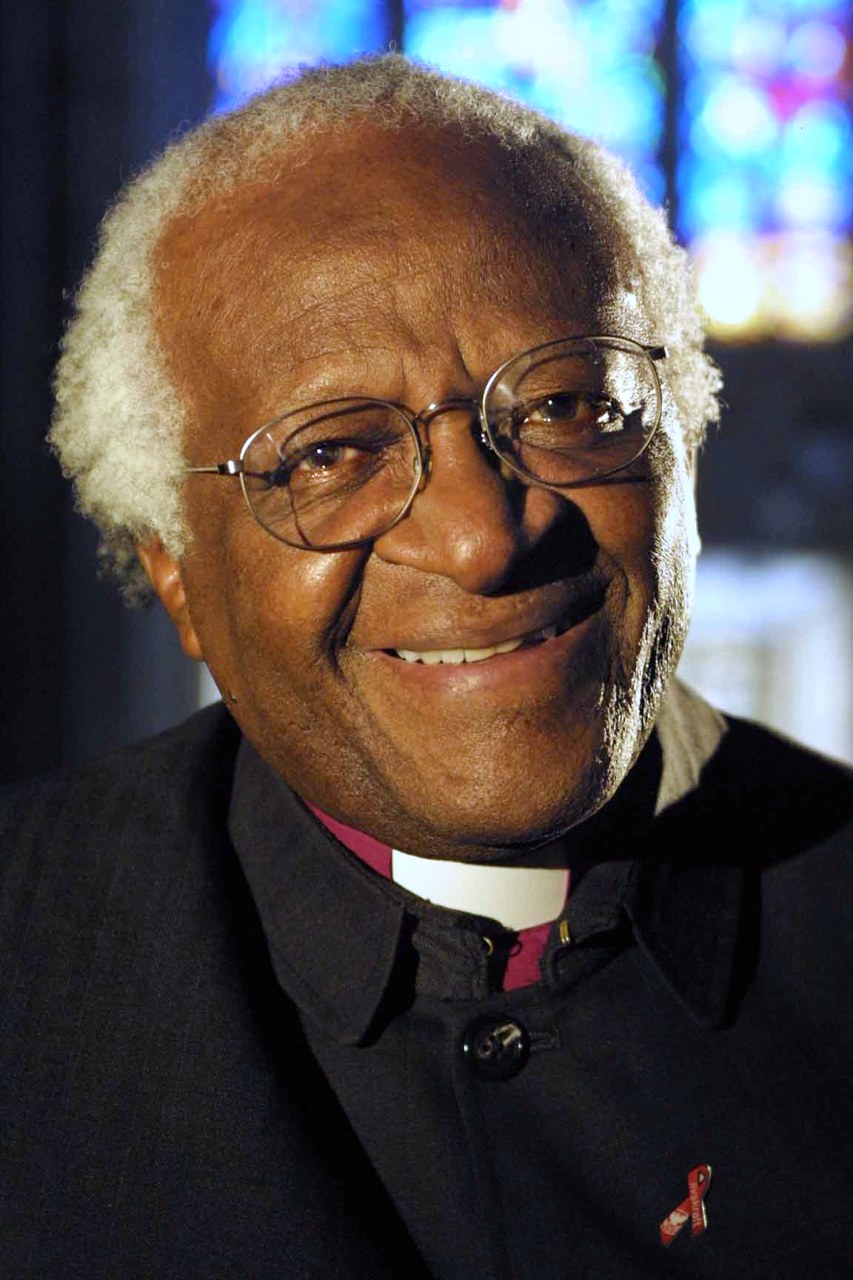
Some lessons are learned in the hardest places. When apartheid ended in South Africa, the country had to decide how to deal with decades of pain. According to Wikipedia, the Truth and Reconciliation Commission was set up in 1996, authorised by Nelson Mandela and chaired by Archbishop Desmond Tutu. It invited victims to tell their stories openly, and invited those who had done wrong to give testimony as well.
Tutu was a South African Anglican bishop and theologian, and in 1986 he became the first black African Archbishop of Cape Town. Choosing to listen, to name the pain honestly and to seek healing rather than revenge was a very costly decision for a whole nation.
Key verse: "Forbearing one another, and forgiving one another, if any man have a quarrel against any: even as Christ forgave you, so also do ye." - Colossians 3:13 (KJV)
Reflection: Forgiveness is not pretending nothing happened. It is telling the truth about the hurt and still refusing to let bitterness have the last word. It is often slow, and it is rarely easy. But a heart that has been forgiven by God is able, step by step, to learn to forgive.
Prayer point: Lord, heal the hurts we carry, and give us grace to forgive as You have forgiven us.
Over to you: Has there been a time you chose to forgive when it was hard, and what did it free you from? How can our parishes and families become places where hurts are healed rather than hidden?
Sources: Wikipedia, "Desmond Tutu" and "Truth and Reconciliation Commission (South Africa)" (en.wikipedia.org).
Photo: Archbishop Desmond Tutu, via Wikimedia Commons
6
•
0
•
0
0 likes
Comments
(0)
No comments yet.

Members Online:
1 Member online in last 5 minutes
13 Guests online in last 5 minutes