

A Thousand Tongues: Charles Wesley and the Hymn Born After a Hard Year
If you have ever sung "O for a thousand tongues to sing," you have borrowed the words of a man who struggled to find enough voices for his gratitude. This is a short look at Charles Wesley and the hymn that grew out of one year of thanksgiving.
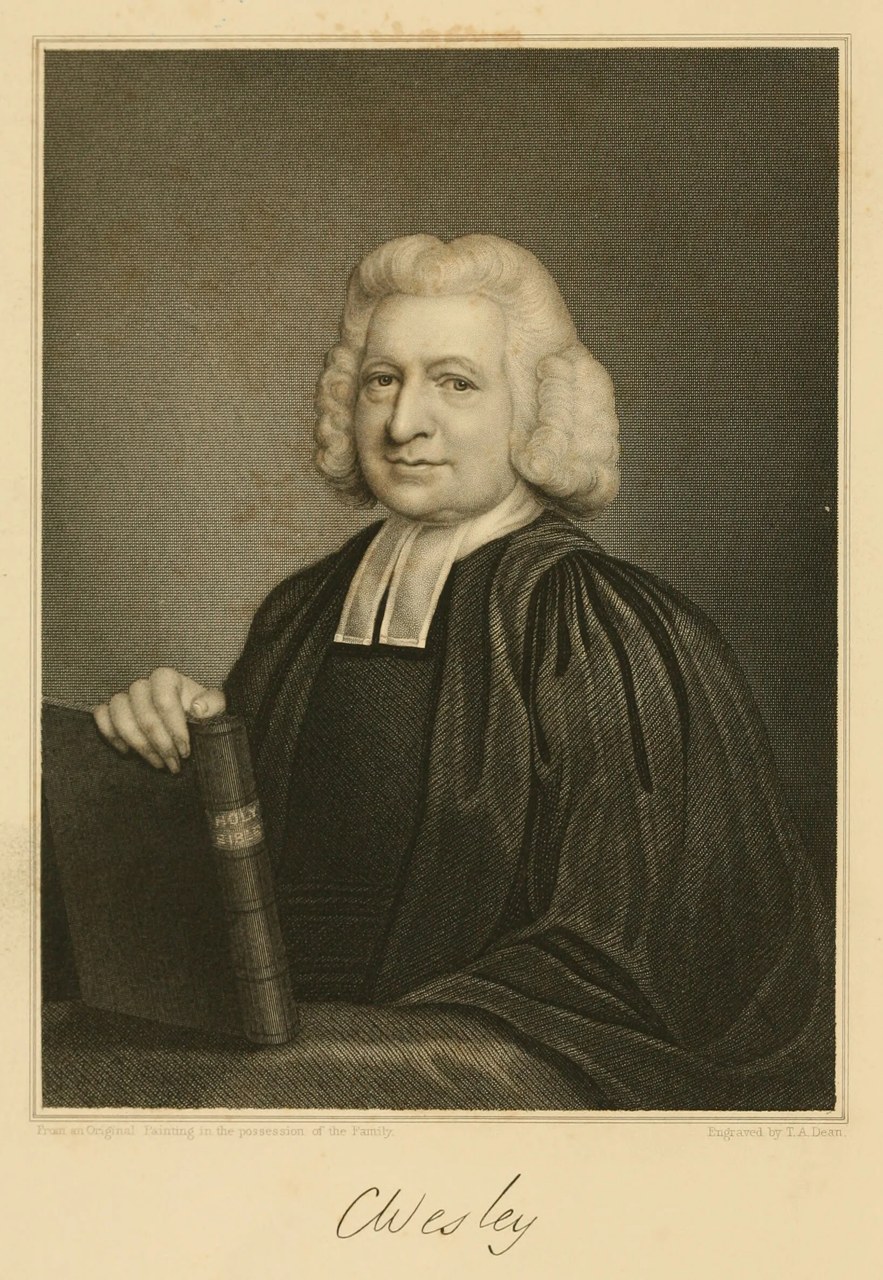
According to Wikipedia, Charles Wesley (1707-1788) was an English Anglican cleric and a leader of the early Methodist movement, and the 18th child of his parents. In 1735 he sailed with his brother John to the Georgia colony in America. It did not go well: he was largely rejected by the settlers and returned to England the next year, disheartened. In May 1738 he had what is described as an evangelical conversion, a renewal of his faith. On the first anniversary of that day he wrote an 18-stanza poem. Its seventh verse, "O for a thousand tongues to sing," now opens the shorter hymn we know.
From that renewal Wesley went on to write thousands of hymns, between 6,500 and 10,000 by the count Wikipedia cites, including "Hark! The Herald Angels Sing," "Love Divine, All Loves Excelling" and "Christ the Lord Is Risen Today." A man who felt like a failure at 29 gave the church songs it still sings at 300.
Key verse (KJV), Psalm 150:6: "Let every thing that hath breath praise the LORD. Praise ye the LORD."
Thought for today: sometimes the song comes after the setback, not before it. Wesley's lowest season was followed by his most fruitful one.
Over to you:
- Is there a season of disappointment in your life that later became the root of a testimony or a song?
- Which hymn do you reach for when your own words run out, and why?
Sources: Wikipedia, "Charles Wesley" (en.wikipedia.org/wiki/Charles_Wesley); Psalm 150:6 (KJV). This is a Celeland community reflection, not an official church publication.
Photo: Engraving of Charles Wesley by T. A. Dean, from an early biography of the Rev. Charles Wesley (public domain), via Hymnology Archive
4
•
0
•
0
0 likes
Comments
(0)
No comments yet.

Members Online:
0 Members online in last 5 minutes
61 Guests online in last 5 minutes