

Written in 24 Days: Handel and Job 19:25
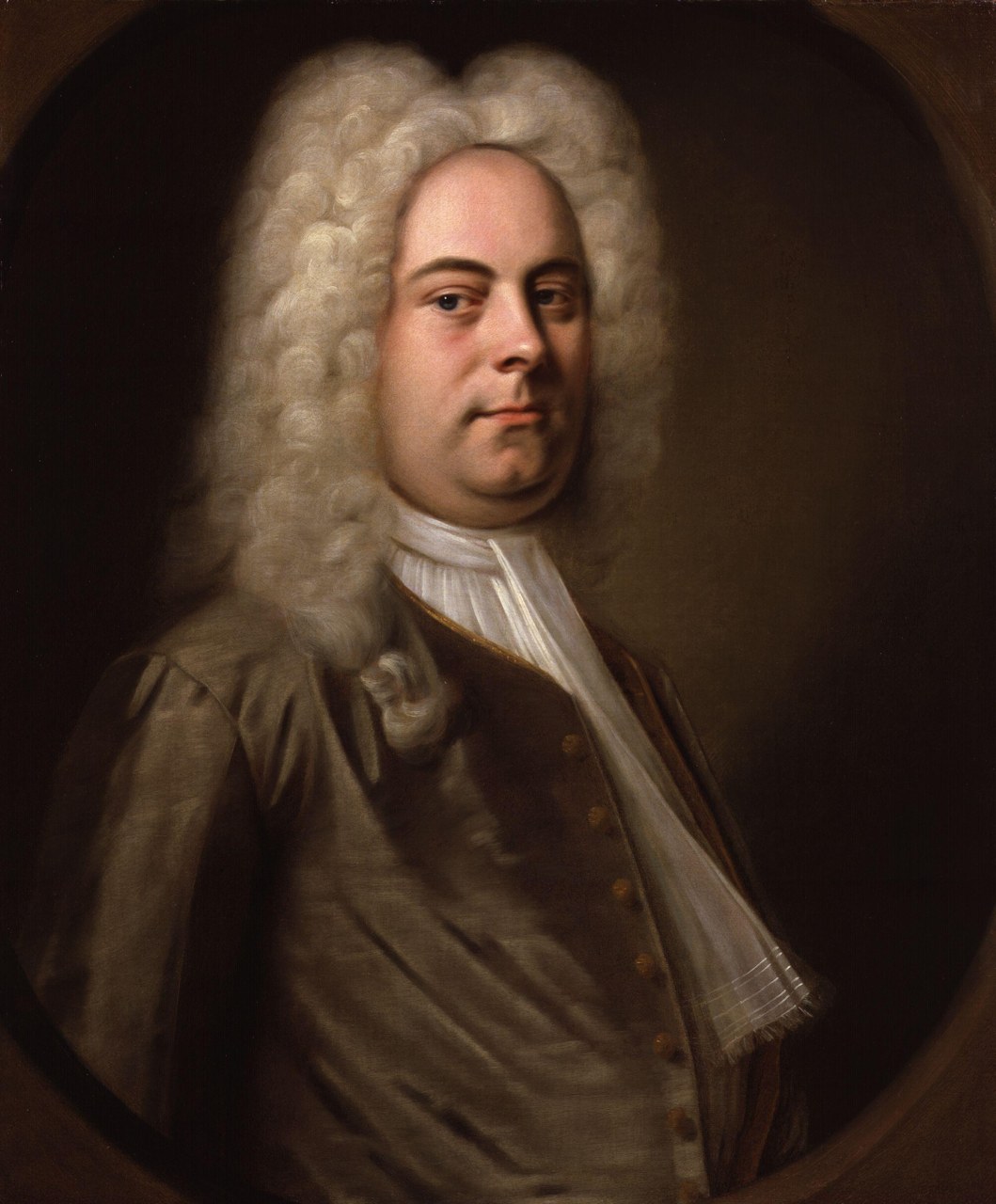
Some of the greatest songs of faith were written in a hurry, by people who simply refused to be silent. Today's lesson is about a composer, a verse and 24 days.
Our verse: "For I know that my redeemer liveth, and that he shall stand at the latter day upon the earth." (Job 19:25, KJV)
According to Wikipedia's article on Messiah, George Frideric Handel received the text from Charles Jennens, a compilation drawn from the King James Bible and the Coverdale Psalter. Handel began composing on 22 August 1741, and by his own records the whole work was complete in about 24 days of swift writing. The oratorio was first performed in Dublin on 13 April 1742. The early public reception was modest, yet over the years it grew into one of the best-known choral works in the world. From 1750, annual charity performances were held at London's Foundling Hospital, a tradition that carried on after Handel's death.
Notice what the work is built on: not clever ideas, but Scripture itself. Job spoke his verse from deep suffering, and centuries later it still lifts voices in choirs everywhere, including ours. A modest start did not stop the message from travelling.
Prayer point: Lord, give us a song of faith in the seasons when it is hard to sing, and let our hymns point others to You.
Over to you:
- Is there a Bible verse or Celestial hymn that carried you through a difficult season? Share it and why.
- How can our choirs and families keep Scripture at the centre of our songs this harvest season?
Sources: Wikipedia, "Messiah (Handel)" and "George Frideric Handel"; Job 19:25 (KJV).
Photo: Portrait of Handel by Balthasar Denner, Wikimedia Commons (public domain)
4
•
0
•
0
0 likes
Comments
(0)
No comments yet.

Members Online:
0 Members online in last 5 minutes
8 Guests online in last 5 minutes