
The Word That Goes Forth: William Tyndale and Isaiah 55:11
The Word That Goes Forth: William Tyndale and Isaiah 55:11
"So shall my word be that goeth forth out of my mouth: it shall not return unto me void, but it shall accomplish that which I please, and it shall prosper in the thing whereto I sent it." - Isaiah 55:11 (KJV)
Today Celeland looks back at a man who believed that verse enough to risk everything for it.
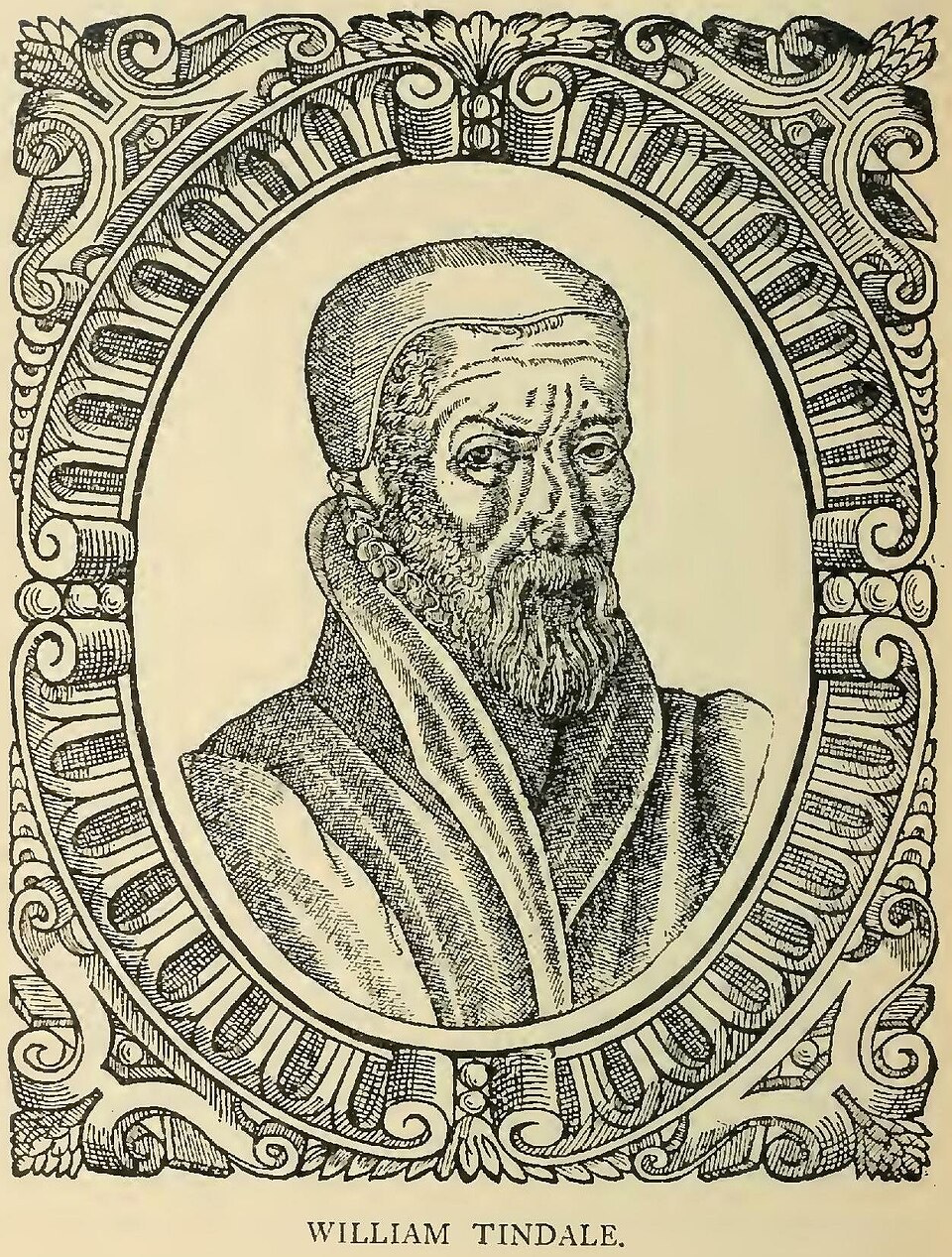
William Tyndale was an English scholar born around 1494. He longed for ordinary people to read the Scriptures in a language they actually spoke. England would not allow it, so he left his homeland and worked in Europe. According to Wikipedia, his New Testament was printed in Worms in 1526, and copies were then smuggled into England and Scotland, tucked inside other goods.
His work was not easy. He lived in hiding, was eventually betrayed, seized in Antwerp in 1535 and held in the castle of Vilvoorde near Brussels. He died in October 1536 for the sake of what he had translated. Yet the pages he had sent out kept travelling, and his English wording went on to shape later Bible translations, including the KJV we quote today.
What can we learn?
- God's Word does its work even when the messenger cannot see the result.
- Sacrifice made quietly for others is never wasted.
- Every time we open the Bible in our own language, someone paid a price for that gift.
Prayer point: Lord, make us people who treasure Your Word and share it faithfully.
Over to you: Which Bible verse changed your life, and who first put it in your hands? How can our parishes help someone around us read and understand the Word this week?
Sources: Wikipedia, "William Tyndale" (en.wikipedia.org/wiki/William_Tyndale); Isaiah 55:11, KJV.
Photo: Portrait of William Tyndale from Beza's Icones, via Wikimedia Commons
4
•
0
•
0
0 likes
Comments
(0)
No comments yet.

Members Online:
0 Members online in last 5 minutes
153 Guests online in last 5 minutes